Honestly? Every cloud provider has a responsible AI page now. Microsoft, Google, Amazon — they all have one. And most of them say the same thing in slightly different words. But Microsoft's approach with Azure AI Foundry, I have to say, at least tries to give you something you can actually act on. Whether it goes far enough is a different question.
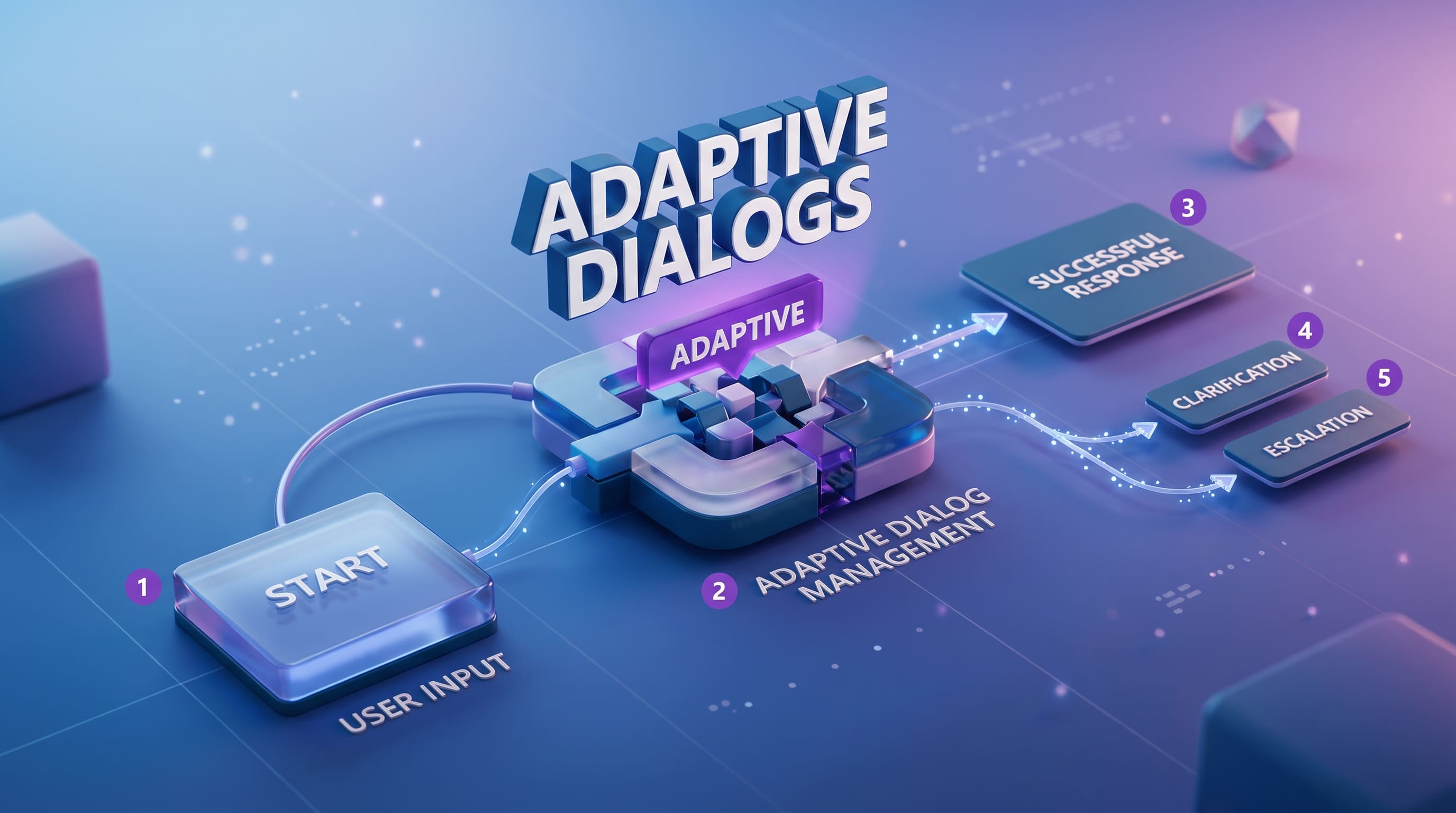
Microsoft breaks their responsible AI framework into three stages — Discover, Protect, Govern. Simple enough on paper. You discover risks before and after deployment, you protect against bad outputs at model and agent level, and you govern the whole thing through monitoring and compliance. The framework itself comes from their internal Responsible AI Standard, which is what their own engineering teams supposedly follow. I say supposedly because, I mean, we've all seen Bing Chat go off the rails in early days right?
The part that actually matters
The Discover stage is where most teams skip ahead. And I get it — you want to build, not test. But this is where you're supposed to throw adversarial prompts at your agent, try to jailbreak it, find the weird edge cases before your users do. At OZ we had a client deploy a customer service bot without doing any of this. Within two days someone got it to generate competitor product recommendations. Two days. The red-teaming step is not optional, and Microsoft is right to put it first in the framework.
The Protect stage is about content filters and guardrails. Azure AI Foundry gives you built-in content filtering that you can configure — you set severity thresholds for hate, violence, sexual content, self-harm. You can also add blocklists for custom terms. This is fine for basic stuff. But here is what nobody talks about — these filters are not perfect. They catch maybe 90-95% of problematic content if you configure them well. That remaining 5%? That's where your brand risk lives. You still need human review pipelines for anything customer-facing. The tooling helps but it does not replace judgment.
The Govern stage is the newest and honestly least mature part. Microsoft added Defender for Cloud integration where you can see security alerts right in the Foundry portal — navigate to your project, go to Risks + alerts, and you get notifications when threats are detected in your AI workloads. This is useful. But governance is more than security alerts. What about model drift? What about bias that develops over time as user patterns change? The monitoring story is still incomplete if you ask me.
Where the framework falls short
Here is my problem with all of this. The framework tells you what to do but not really how to do it well. "Test your agent with adversarial prompts" — okay, which prompts? How many? What coverage is enough? Microsoft has some tooling for this in Azure AI Foundry evaluations, and they recently added automated red-teaming capabilities, but the guidance is still very high-level. When I was working on a healthcare AI project last year, we needed specific testing protocols for medical misinformation. The general framework didn't help much. We ended up building our own evaluation datasets from scratch.
The three-stage approach — Discover, Protect, Govern — also kind of implies this is a linear process. It is not. You discover new risks in production that send you back to protection. Your governance monitoring reveals things that need new discovery phases. It is a loop, not a pipeline. I wish Microsoft was more explicit about this because teams take the linear framing literally and then act surprised when production issues show up that their pre-deployment testing missed.
One thing I will give Microsoft credit for — they link their principles directly to product features. The content filtering is not just a document saying "filter bad content." It is actual configurable infrastructure in the platform. The Defender integration is real security tooling, not a whitepaper. That is more than most responsible AI frameworks offer, which is usually just a PDF and a prayer.
But the pricing of these safety features is something to watch. Content filtering is included in base Azure AI pricing right now, but Defender for Cloud plans are separate and they add up. For a startup building their first AI agent, the total cost of doing responsible AI properly on Azure — content filters, Defender, evaluation runs, red-teaming tools — it is not trivial. Nobody puts this in their initial budget and then responsible AI becomes the thing that gets cut when costs need trimming.
The real gap is still organizational. You can have the best tools in the world but if your team doesn't have someone accountable for AI safety, nothing happens. Microsoft's framework assumes you have the people and processes to use it. Most companies I've worked with, they don't.